
Welcoming Spring: Reviving the Earth and Our Gardens
The greenery returns, bulbs begin to emerge, and the ground wakes up.
Sara
5/8/20265 min read
Spring is Here: Nature's Big Comeback
As winter's chill starts to fade, spring rolls in with a fantastic makeover for the landscape. The earth, which was once icy and dull, bursts into a vibrant mix of colors and sounds, marking the beginning of warmer days. You’ll notice the first hints of life as green grass pokes through the thawed ground, creating a lovely rug that invites both animals and people to stroll around and enjoy nature's beauty.
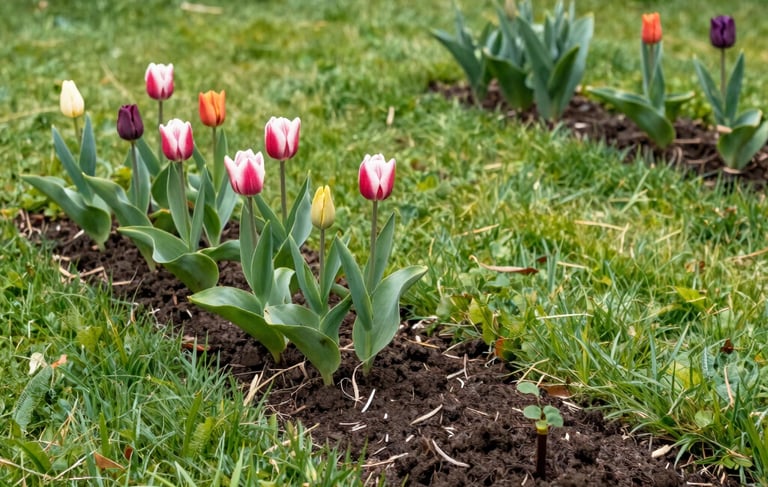
During this time, colorful bulbs push through the ground, showing off their lovely petals and adding bright splashes of tulips, daffodils, and hyacinths to gardens. Each flower is a reminder of nature’s strength, pushing back against winter and soaking up the sunshine that warms the earth. Gardeners get busy prepping their soil, ready to care for these new flowers and help them grow, making spring's colorful spread even more beautiful across the landscape.
When stepping outside, the air buzzes with life and energy. The sounds of chirping birds fill the air, announcing the arrival of the new season. Trees that were bare and sad start to burst with fresh leaves and lovely blooms, creating a stunning contrast against the bright blue sky. It’s easy to see the rebirth of nature everywhere you look, as the dull tones of winter give way to vibrant greens, yellows, and pinks.
This yearly comeback of nature isn't just a pretty sight; it brings about feelings of joy and excitement. People are drawn outside whether it’s to admire the blooming scenery, get their hands dirty in the garden, or simply soak up the warm sun. Spring excites our senses, giving us a boost as we see the earth transform and inviting us to join in on its renewal.
Getting Ready for Your Garden: Planting Flowers and More
As spring comes around, it’s time to prepare your garden for a successful growing season. The first step is to rediscover what your soil can do by mixing in some organic goodies like compost or well-rotted manure. This is super important for laying down a healthy base for your flowers and other plants. Ideally, you should check your soil’s pH and nutrient levels because knowing these details helps you pick the best plants for your space.
Choosing the right flowers is a big part of this preparation. Depending on your climate, you might want to pick a mix of perennials and annuals that bloom at different times throughout the season. Go for native plants whenever you can, as they usually do better with local weather and attract friendly pollinators like bees and butterflies, making your garden thrive.
Timing is key when it comes to planting; wait until there's no chance of frost before you start sowing seeds or moving seedlings outside. Plus, it's smart to get those seedlings started indoors about six to eight weeks before the last frost, so they can gradually get used to being outside.
When you plant, think about integrating flowers and plants that look great together. Mixing heights can add some fun layers to your garden, and a thoughtful choice of colors and textures can create stunning contrasts. Also, going for sustainable gardening practices, like using organic fertilizers and cutting down on pesticide use, is good for both the environment and your plants.
In short, the prep work is crucial for a vibrant garden. By dedicating time to healthy soil, picking the right flowers, and using smart planting strategies, you’re setting yourself up for a successful growing season.
Spring Clean-Up: Sprucing Up Our Outdoor Spaces
As winter melts away, spring is the perfect time to refresh our gardens and outdoor areas. A good spring clean-up not only tidies up our spaces but also helps the environment by improving the land’s health. It’s a chance to clear out debris that built up during the cold months, prune dead plants, and rejuvenate garden beds, making everything feel more inviting.
Start your spring clean-up by strolling through your garden and taking note of what needs some love. Getting rid of leaves, branches, and other organic mess will help your plants breathe and soak up enough sunlight. This task is key because leftover debris can attract pests and diseases, which can harm your plants.
Next, think about trimming any dead or damaged plants. By giving these back a good cut, you’ll not only encourage healthier growth but also boost blooms during this lively season. Even if some plants seem dormant, a little targeted pruning can kick their growth into gear and make your garden pop with color.
Also, don’t forget to refresh your garden beds during the spring clean-up. Adding compost or mulch can greatly improve nutrient availability and help the soil hold moisture. Composting kitchen scraps and yard waste not only creates rich organic matter but also takes a step towards eco-friendly gardening. By recycling natural materials, you boost soil fertility while cutting down on waste.
Emphasizing sustainable practices during your spring clean-up can have lasting benefits for the environment. Whether using native plants in your garden or opting for alternative pest management methods, every choice makes a positive impact on the ecosystem. Ultimately, the joy of sprucing up our outdoor spaces goes beyond looks; it’s a move toward creating a healthier environment for future generations.
Giving Life Back to the Land: Revitalizing the Ecosystem
As spring unfolds, it’s a fantastic time to revitalize not just our gardens but the larger ecosystem, too. Every act of planting or cleaning doesn’t just transform our small spaces; it also helps conserve soil and restore balance in the environment. Healthy soil is key for thriving plants, and using organic gardening techniques helps keep that soil strong. By steering clear of synthetic fertilizers and embracing composting, we can boost soil health while cutting down on pollution.
Moreover, encouraging biodiversity is super important for a green garden. Planting a variety of species attracts helpful insects and pollinators, which are essential for the pollination of many crops and wild plants. Native plants are especially great, as they’ve adapted to local conditions and support local wildlife. This diversity makes for a resilient garden that can better fend off pests and diseases, reducing the need for chemical treatments. When we plant a variety of flowers, we're investing in the entire ecosystem, inviting nature to thrive.
On top of that, the spring gardening season is a perfect time for organic pest management. Instead of reaching for harmful pesticides, gardeners can use strategies like companion planting and bringing in natural predators. This approach not only protects your plants but also helps create a sustainable environment that keeps nature in balance.
In the end, the small steps we take in our gardens can lead to a big positive impact on the environment. By focusing on sustainable gardening practices, we help fight climate change and support local wildlife. This spring, let’s seize the opportunity to breathe new life into our surroundings and help create a greener, more vibrant ecosystem for generations to come.