Composting Made Simple: Kitchen Waste Recycling
A backyard composting guide. A few different options for the everyday gardener. Turning kitchen and food scraps into nutrient rich soil to feed our garden and plants with.
Sara
5/22/20263 min read


Why Compost?
So, you’re drowning in a sea of vegetable peels, coffee grounds, and that strange tomato from last month that you thought would miraculously come back to life in your fridge? Fear not, my fellow kitchen misfits! It’s time to throw those scraps into a compost bin and give them a brand new purpose! Composting is the eco-friendly hero we desperately need; it not only helps reduce landfill waste but also turns your food scraps into nutrient-rich goodness for your garden.
The Benefits of Composting: A Garden’s Best Friend
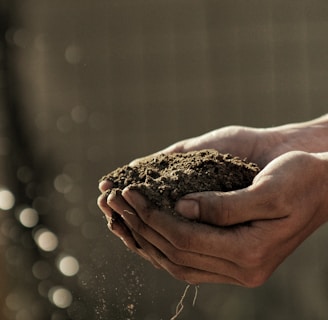
Composting gives back by enriching your soil with nutrient rich goodness, you’re improving its texture, moisture retention, and content. Your plants will thank you with vibrant colors, robust growth, and maybe even a little dance (if you’ve had a good chat with them!). It’s like sending your plants on a vacation; they come back refreshed and thriving.
Plus, composting is affordable and eco-friendly. Instead of spending a fortune on chemicals and fertilizers, why not harness the power of nature (and your kitchen waste) to create organic compost?
Types back yard of composting:
If you’re wondering how to venture into the world of composting, you’re in luck! There are
several styles to fit your lifestyle:
Hot Composting: For those who can’t wait for the good stuff! It decomposes quickly with
the right mix of greens (nitrogen-rich) and browns (carbon-rich). Just don’t forget to turn
it!
Vermicomposting: A fancy term for worm composting. If you’re not squirmish about little wigglers doing their thing, let worms turn your food scraps into black gold.
Bin Composting: This method involves using a compost bin to contain your materials, making it neat and manageable. It's perfect for those with limited space and ensures a quicker breakdown of compost.
Tumbler Composting: With a compost tumbler, you can easily aerate your compost. Just spin it a few times a week for fast decomposition, just make sure you balance your browns and greens!
So, whether you’re a composting newbie or a seasoned compost connoisseur, there’s a method for everyone. Remember, the key to successful composting is balance and a bit of patience. By composting, you’re not only reducing waste but also giving your garden a boost of hearty nutrition. So don your gardening gloves, shrug on your apron, and let’s make some compost — your soil and the Earth will thank you!
The Benefits of Composting: Composting gives back by enriching your soil with nutrient rich goodness, you’re improving its texture, moisture retention, and content. Your plants will thank you with vibrant colors, robust growth, and maybe even a little dance (if you’ve had a good chat with them!). It’s like sending your plants on a vacation; they come back refreshed and thriving. Plus, composting is affordable and eco-friendly. Instead of spending a fortune on chemicals and fertilizers, why not harness the power of nature (and your kitchen waste) to create organic compost?
So, whether you’re a composting newbie or a seasoned compost connoisseur, there’s a method for everyone. Remember, the key to successful composting is balance and a bit of patience. By composting, you’re not only reducing waste but also giving your garden a boost of hearty nutrition. So don your gardening gloves, shrug on your apron, and let’s make some compost — your soil and the Earth will thank you!